

How to Select a Niche That Actually Makes Money Online
Problem → Solution
Problem: Most beginners fail online because they choose niches based on passion, trends, or guesswork instead of real market demand.
Solution: By using a simple niche validation framework—focused on demand, competition, and monetization—you can choose a niche that actually makes money before wasting time or effort.
Introduction: Why This One Decision Determines Everything
If you’re just starting your online journey, there’s one decision that matters more than websites, tools, or social media platforms:
Your niche.
Choose the wrong niche, and everything feels harder.
Traffic doesn’t convert.
Content feels invisible.
Monetization never quite works.
Choose the right niche, and suddenly things change.
People respond to your content.
Growth feels natural.
Income becomes possible—even as a beginner.
Most people don’t fail online because they lack discipline, intelligence, or effort.
They fail because they choose the wrong niche at the very beginning.
This guide will show you how to avoid that mistake—step by step, without hype or confusion.
What a “Profitable Niche” Really Means (No Internet Myths)
A profitable niche is not:
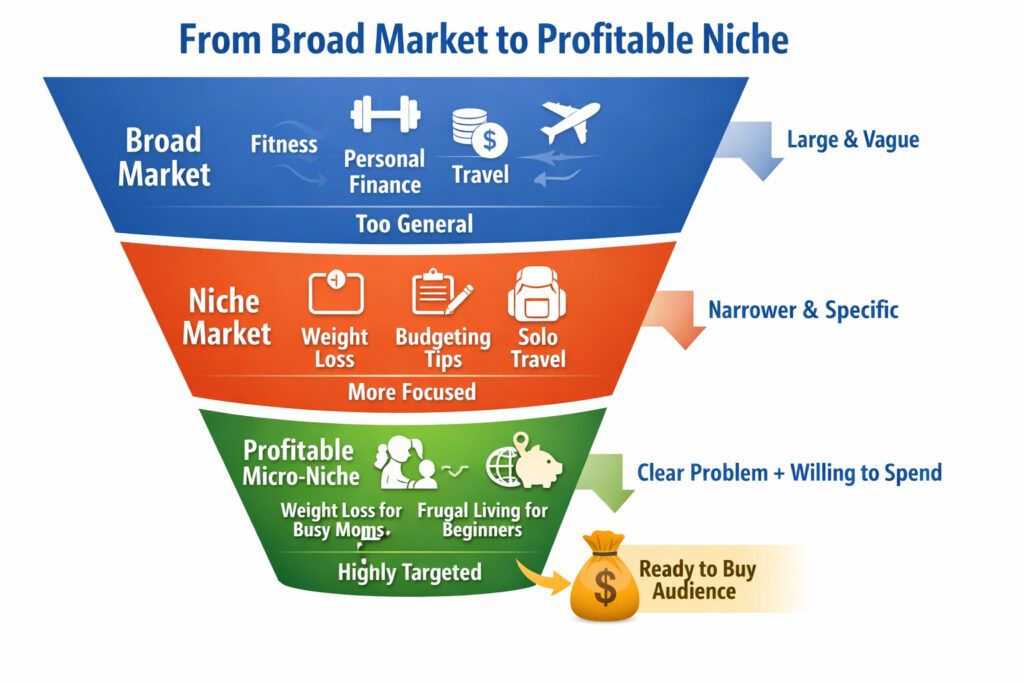
- A broad topic like “fitness” or “make money online”
- A trendy idea everyone is talking about
- Something people enjoy but won’t pay for
A profitable niche is:
- A specific group of people
- With a clear, urgent problem or goal
- Who already spend money trying to solve it
The key shift beginners must make is this:
👉 Stop chasing ideas.
👉 Start validating demand.
Step 1: Start With Problems, Not Passion
You’ve probably heard this advice before:
“Follow your passion.”
While passion can help with consistency, it does not guarantee profit.
Money flows toward problems, not interests.
Instead of asking:
- “What do I like?”
Ask:
- What problem does this group struggle with daily?
- What frustrates them about current solutions?
- What outcome would improve their life right now?
For example:
- “Fitness” is broad and crowded
- “Weight loss for busy working parents” is specific and urgent
Specific problems create clarity.
Clarity builds trust.
Trust leads to sales.
Step 2: Check If People Are Already Searching for Solutions
Before committing to a niche, you must confirm one thing:
Are people actively looking for help with this problem?
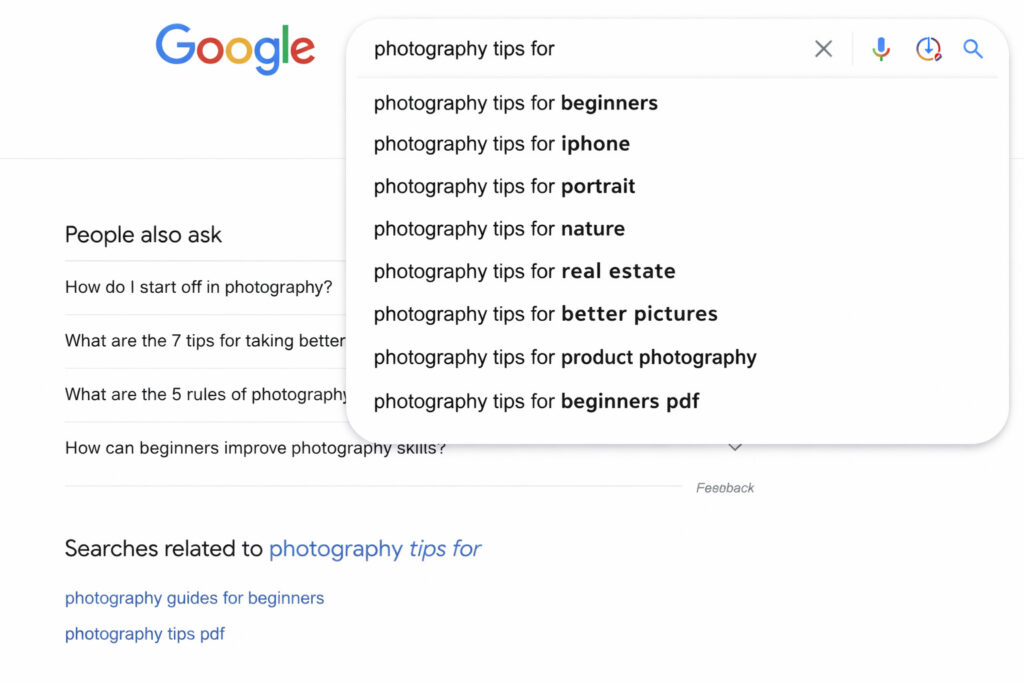
You don’t need expensive tools to start. Use:
- Google autocomplete
- “People also ask” boxes
- Beginner-level search phrases (not expert jargon)
Look for:
- Repeated questions
- Clear problem-focused language
- Searches that imply intent, not curiosity
If people are already searching, demand exists.
If nobody is searching, you’re trying to convince instead of serve.
Step 3: Validate Competition (Yes, You Want Some)
Many beginners think competition is bad.
In reality, no competition usually means no market.
Healthy competition is a good sign.
Positive indicators include:
- Existing blogs or YouTube channels
- Paid ads running in the space
- Courses, guides, or tools already selling
Warning signs include:
- Only massive corporations dominating results
- No beginner-friendly content
- No visible paid offers at all
Your goal isn’t to eliminate competition.
Your goal is to enter where beginners are underserved.
Step 4: Confirm Monetization Before You Commit
Before choosing a niche, you should clearly understand how money moves inside it.
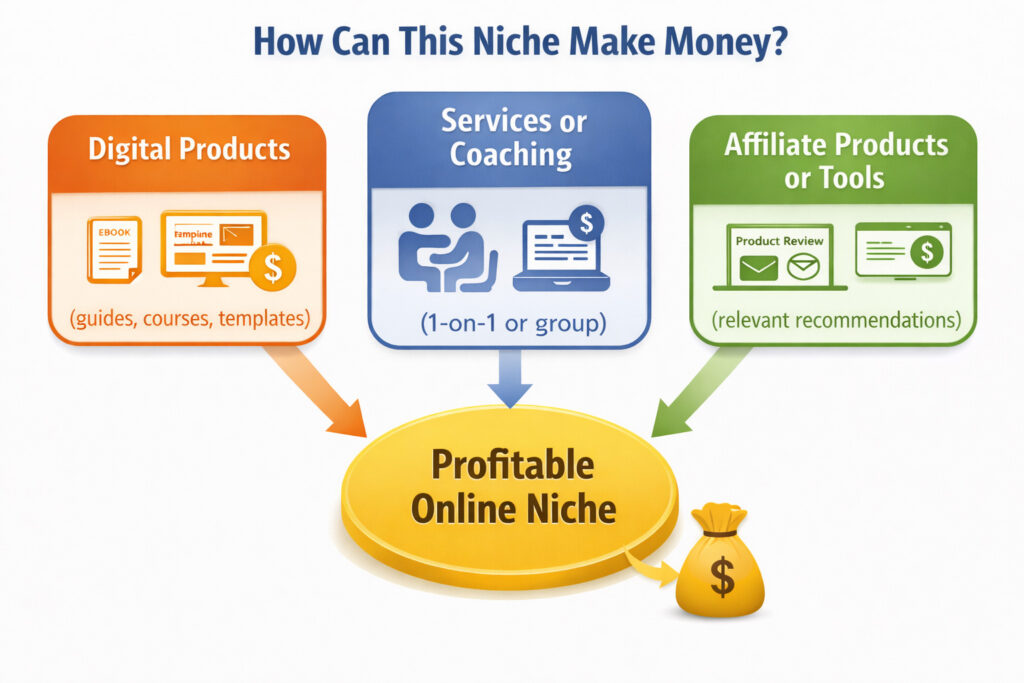
At minimum, identify three monetization paths:
- Digital products (ebooks, courses, templates)
- Services or coaching
- Affiliate products or tools
If you can’t explain how people in that niche spend money, stop and reassess.
This single step eliminates most bad ideas before they waste your time.
The Most Common Beginner Mistakes (And How to Avoid Them)
1. Choosing a niche that’s too broad
Broad niches dilute trust and slow growth.
2. Following trends without validation
Trends fade. Problems persist.
3. Avoiding competition entirely
Competition proves people are buying.
4. Creating content before validating monetization
Traffic without revenue is not a business.
Most online failures don’t come from execution.
They come from choosing the wrong battlefield.
A Practical Shortcut for Beginners Who Want Structure
If you prefer a step-by-step system that walks you through:
- Niche research
- Competition analysis
- Validation checklists
- Real beginner examples
- Common mistakes to avoid
There is a beginner-focused ebook called:
Finding Your Profitable Online Niche: A Complete Beginner’s Guide (LINK IT TO – https://marketing.bedigitalcool.com/the-7-day-profitable-niche-finder-starter-kit)
It expands everything in this article into a repeatable framework you can reuse for future ideas—without guesswork or overwhelm.
Think of this article as the overview.
The guide acts as the implementation manual.
(This is optional—but helpful if you prefer clarity over trial and error.)
Mini FAQ
Can beginners still find profitable niches today?
Yes. Opportunities still exist, especially in underserved segments.
How long should niche validation take?
Around 5–7 days if done properly.
Is passion important at all?
It helps consistency, but demand determines profitability.
Should beginners start with micro-niches?
Yes. They are easier to rank, serve, and monetize.
How to Know You’ve Chosen the Right Niche
You’re on the right track when:
- People clearly describe the problem you solve
- Existing solutions feel incomplete or confusing
- Monetization paths are obvious
- The niche feels clear, not forced
Good niches feel grounded.
Bad niches feel exhausting.
Final Thoughts: Clarity Beats Luck
Online success doesn’t start with:
- A website
- A logo
- A social media strategy
It starts with clarity.
When you choose the right niche:
- Content becomes easier
- Marketing feels natural
- Income becomes possible
Take your time here.
This decision compounds faster than almost any other.


